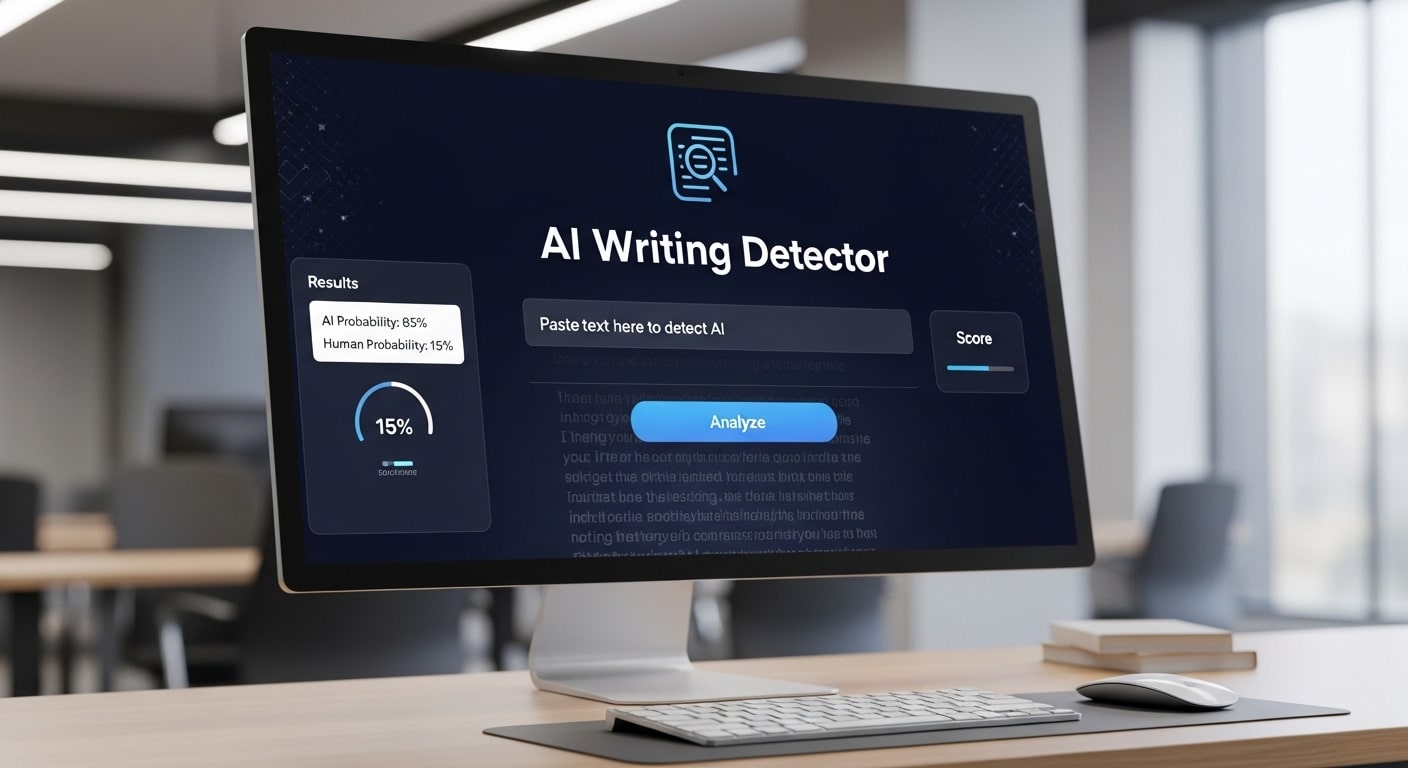
If you have ever wondered why do AI detectors flag my writing? you are not alone. Many students, bloggers, and professionals have faced this problem. AI detectors sometimes mistake genuine human writing for machine-generated content. This can be confusing and stressful, especially if your work is completely original.
In this guide, we will explain how AI detectors work, why human writing gets flagged, common mistakes, tools to check your writing, and practical steps to reduce false positives. By the end, even beginners will understand AI detection and how to avoid unnecessary flags.
What Are AI Detection Tools?
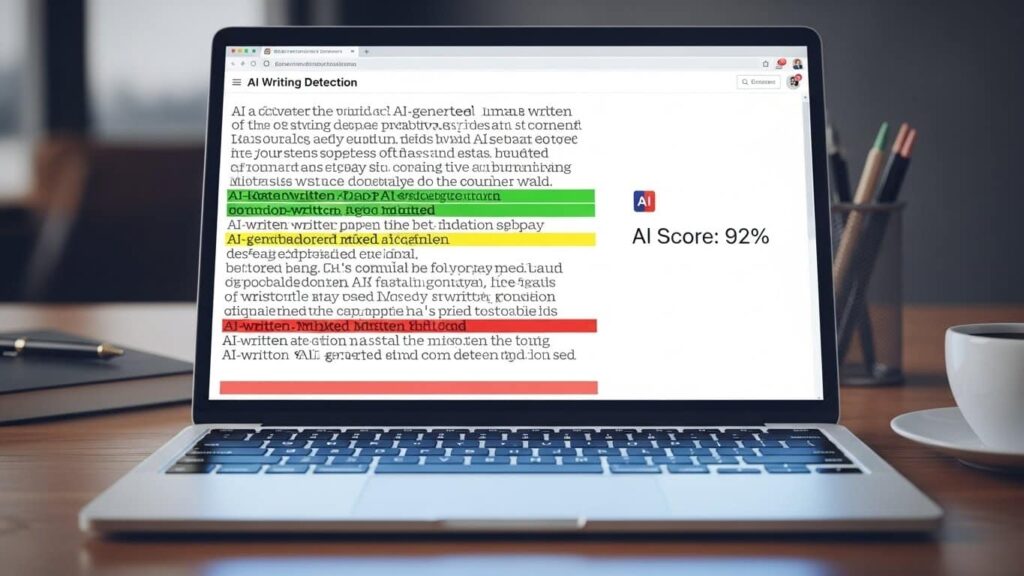
AI detection tools are software programs designed to analyze text and predict whether it was written by a human or a machine. They do not “know” for sure who wrote the text; instead, they analyze patterns, sentence structures, and word choices. These tools are widely used in education, content marketing, and workplaces to prevent misuse of AI-generated content.
Most AI detectors are trained on large amounts of AI-generated text. They compare your writing against these patterns to make predictions. For beginners, it’s important to understand that these tools are guides, not definitive judges. They cannot see your research process or creative thinking.
While these tools can be helpful, they also have limitations. They are prone to false positives, meaning they sometimes flag perfectly human-written text as AI-generated. Understanding how they work helps you avoid unnecessary stress.
How AI Detection Tools Work?
AI detection tools rely on statistical analysis and pattern recognition. One common method is checking predictability, which measures how likely a word is to follow the previous word. AI tends to pick the most probable next word, making its writing predictable, whereas humans often introduce variation and unexpected phrasing.
Another factor is sentence variety. Human writing naturally mixes long and short sentences, with pauses and slight imperfections. AI-generated text tends to maintain evenly balanced sentences. Detectors also measure burstiness, which refers to sudden spikes in creativity or style changes. Lack of burstiness can trigger a flag.
For example, consider this table comparing human vs AI writing:
| Feature | Human Writing | AI Writing |
|---|---|---|
| Sentence length | Mix of short and long sentences | Uniform, evenly balanced |
| Word choice | Unique or unusual words | Predictable and common words |
| Flow | Natural jumps or variations | Very smooth and consistent |
| Minor errors | Typos or small mistakes possible | Almost perfect grammar |
This explains why even high-quality essays or SEO-rich blogs may get flagged.
Why Human Writing Gets Flagged?
Even 100% human-written text can trigger AI detectors. This usually happens when writing shows patterns similar to AI content. For example, a formal tone, repetitive sentence structures, or keyword-heavy content can look “robotic” to a detector.
Many students and bloggers report being flagged despite original work. Perfectly polished grammar, structured paragraphs, and consistent sentence lengths often mimic AI writing patterns. This is especially common in academic essays or SEO blogs where clarity and keyword usage are prioritized.
Beginners should remember that being flagged does not mean your work is fake. Detectors only analyze patterns, not intent, research, or originality. Understanding this helps reduce stress and allows you to take practical steps to adjust your writing.
Many writers on Reddit report this issue. Their original essays and blog posts were wrongly flagged as AI content.
Limitations of AI Detection Tools
AI detectors are useful but have clear limitations. They cannot measure creativity, thought process, or originality. They rely solely on surface patterns, which makes false positives common.
Different tools also produce different results. For example, GPTZero focuses on sentence burstiness, Copyleaks analyzes predictability, and Sapling checks for uniform sentence structures. One tool may flag your text while another does not.
For students and professionals, this inconsistency is important to know. AI detection should never be the only method for judging originality. Using these tools as guidance rather than a verdict is the safest approach.
Do AI Detectors Work on SEO Content?
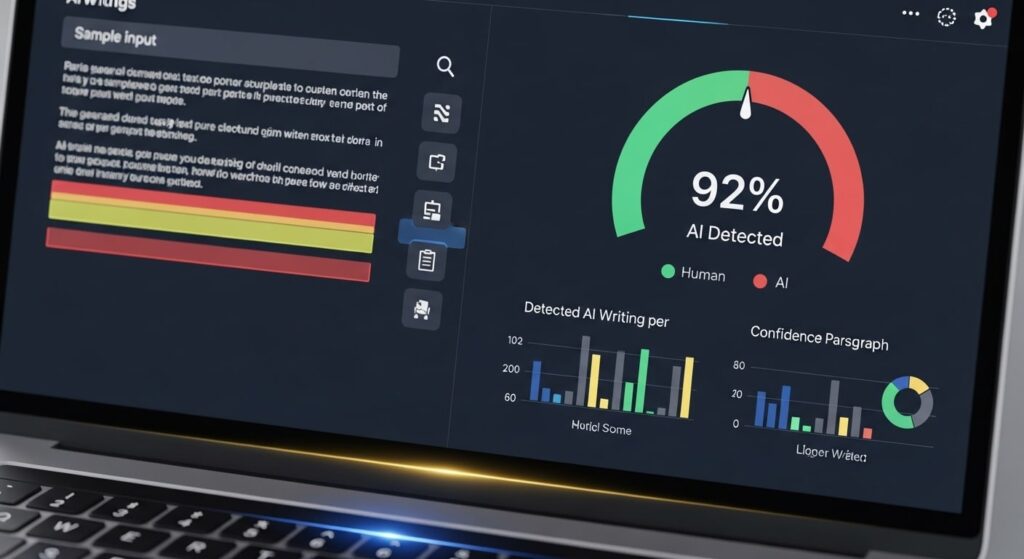
AI detectors are not fully reliable for SEO content. Google does not use AI detection scores to rank pages. What matters is clarity, originality, and usefulness to the reader.
Even if a blog or article is flagged as AI-generated, it can still rank well in search engines if it provides helpful and clear content. For beginners, the focus should always be on writing content that solves problems and answers questions rather than trying to “trick” AI detectors.
Do AI Detectors Work on Student Essays?
Students often worry that AI detection tools will flag original essays. Detectors analyze structured paragraphs, formal tone, and consistent sentence lengths—all common in academic writing.
This means even original work may be flagged. Students can protect themselves by keeping drafts, notes, and research. Showing these materials can prove authenticity if a teacher questions originality. Understanding why human essays get flagged helps students adjust their writing style slightly without compromising quality.
Popular Tools to Check AI-Generated Content
There are several widely-used AI detection tools, each with unique methods:
- GPTZero: Focuses on burstiness and sentence complexity; popular with educators.
- Copyleaks AI Detector: Provides detailed reports for businesses and students.
- Sapling AI Detector: Simple, fast, used for workplace content.
- Originality.ai: Paid tool often used by bloggers and publishers.
Using more than one tool is recommended. Scores may vary between tools, so relying on a single result is not advisable.
| Tool | Best For | Notes |
|---|---|---|
| GPTZero | Students & Educators | Measures burstiness and sentence predictability |
| Copyleaks AI Detector | Businesses & Bloggers | Detailed scoring and reporting |
| Sapling AI Detector | Workplace Content | Quick and simple interface |
| Originality.ai | Bloggers & Publishers | Paid tool, often integrates with plagiarism checks |
How to Fix AI Detection Problems?
Reducing false positives makes your writing appear more human. Beginners can follow these practical tips:
- Mix sentence lengths: Combine short and long sentences for natural flow.
- Add personal anecdotes: Sharing opinions or examples makes writing more human.
- Vary sentence structure: Avoid repeating the same style throughout the text.
- Use contractions: Words like “don’t” or “it’s” feel natural compared to “do not” or “it is.”
For instance, instead of writing “AI detectors flag human writing. AI detectors detect patterns. AI detectors are unreliable,” you can write: “Sometimes AI detectors flag human writing because they check for patterns in sentences. This does not mean your work is fake. Tools are not perfect and often produce false positives.”
By following these steps, you can make your text look more authentic while still keeping clarity. Writers often ask how to fix AI detection because these adjustments reduce false positives without changing your message.
Why Essays Are Flagged on Reddit
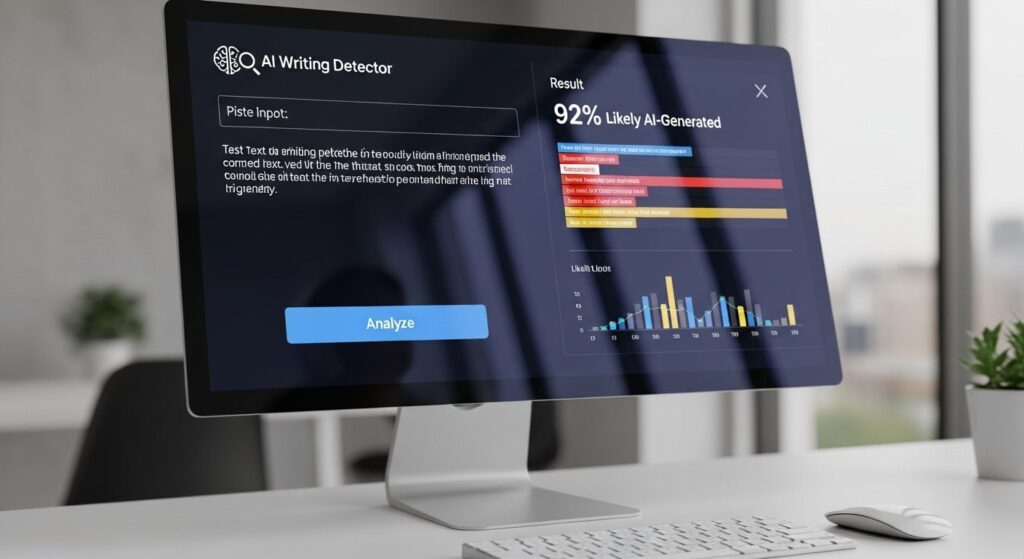
Many Reddit users share stories of being flagged by AI detection tools despite writing original essays. Common reasons include formal tone, structured paragraphs, and repeated sentence patterns.
These examples highlight that AI detectors often misinterpret human writing. Beginners should understand these triggers and adjust their writing style slightly, such as adding variation in sentences or small personal touches, to reduce false positives.
Can AI Detectors Mistake Plagiarism for AI Writing?
AI detectors and plagiarism checkers are different tools. Plagiarism checkers identify copied content, while AI detectors analyze writing patterns.
Sometimes AI detectors flag content that seems mechanical, even if it is original. This does not mean the work is plagiarized. Using both plagiarism and AI detection tools can provide a better understanding of your content’s originality.
Best Tools to Check if Content Appears AI-Generated
Some tools may show 20% AI probability, while others show 0%. A low number is usually harmless and only means a small part of your writing matches machine-like patterns. The best approach is to use more than one tool and focus on improving clarity and originality.
There are many AI detection tools available. Each tool has its own strengths, but none are perfect. Always compare results across multiple detectors.
- GPTZero – Popular with educators, checks burstiness and perplexity.
- Copyleaks AI Detector – Detailed reports, good for businesses.
- Sapling AI Detector – Simple interface, often used for workplace content.
- Originality.ai – Paid option, often used by bloggers and publishers.
How Often Should You Check Your Writing?
How often you check depends on your purpose. Students may check drafts before submitting essays, while bloggers or content writers may check only before publishing.
It is not necessary to check every sentence or paragraph. Using multiple tools occasionally is sufficient. Beginners should focus on improving clarity, sentence variety, and originality rather than chasing perfect AI detection scores.
Final Thoughts
AI detectors are helpful tools, but they are not perfect. They cannot measure creativity, thought process, or originality. False positives are common, so these tools should be used as guidance rather than a definitive judgment.
The key is to write clearly, include personal voice, and make content useful for readers. Keeping drafts, using multiple detectors, and varying sentence structures will help reduce false positives. Ultimately, clarity, usefulness, and originality are more important than any detection score. Focus on creating content that solves problems, answers questions, and feels natural to real people.
FAQs
Can AI detectors mistake plagiarism for AI writing?
Yes, sometimes people confuse the two, but they are different problems. Plagiarism checkers scan for copied text, while AI detectors scan for writing patterns. If your work is flagged by an AI detector, it does not mean you copied; it only means your style looked machine-like. To avoid mix-ups, always use both a plagiarism checker and an AI detection tool if originality is questioned.
Do AI detectors work on handwritten text once it’s typed out?
They do, because detectors only see the digital version of the text. Once handwritten notes are typed into a document, the system analyzes the sentences the same way it would for AI-generated text. That’s why even handwritten essays can be wrongly flagged once converted into typed form.
Why do people on Reddit complain about AI detection false positives?
Reddit has many discussions where students and bloggers share stories about unfair flags. The main frustration is that detectors often punish people for writing neatly, using formal tone, or following strict academic guidelines. These real-world experiences show that misinterpretation of human writing is common across different detectors.
Are AI detection tools reliable for SEO content publishing?
Not really. While best AI detection tools can help you understand if your text “looks” machine-like, Google has stated it does not use AI detection to rank content. Search engines care about usefulness, clarity, and originality. That means even if your content is flagged, it can still perform well in SEO if it’s genuinely helpful.
How often should I test my writing with AI detection tools?
It depends on your situation. Students may need to test drafts before submitting assignments, while bloggers or professionals might only check once before publishing. Using multiple tools is better than relying on one because AI detection text reports can vary widely.







One Comment