

The real estate industry has transformed dramatically over the past decade. Gone are the days when agents relied solely on newspaper ads and door knocking to generate leads. Today’s successful real estate professionals leverage cutting edge real estate technology to streamline their workflow, reach more prospects, and ultimately close more deals.
Technology has become the great equalizer in real estate. Whether you’re a solo agent or part of a large brokerage, the right digital tools can help you compete effectively in today’s market. From artificial intelligence that predicts buyer behavior to virtual reality tours that showcase properties to international clients, technology is reshaping how deals get done.
This comprehensive guide explores the specific technologies that top performing agents use to increase their closing rates and build sustainable businesses.

What Technology Do Real Estate Agents Actually Use?
Real estate agents today operate with a sophisticated tech stack that would have seemed like science fiction just 15 years ago. The most successful agents have moved beyond basic CRM systems to embrace integrated platforms that handle everything from lead generation to transaction management.
Customer Relationship Management Systems
This forms the foundation of most agents’ technology arsenal. Tools like Follow Up Boss and LionDesk help agents track every interaction with prospects and clients. These platforms automatically log phone calls, emails, and text messages while setting reminders for follow ups at optimal times.
Marketing Automation Platforms
They have become essential for maintaining consistent communication with leads. Rather than manually sending emails to hundreds of contacts, agents use systems that trigger personalized messages based on specific behaviors. When a prospect clicks on a listing for waterfront properties three times, the system can automatically send them similar listings without any manual intervention.
Transaction Management Software
They keeps deals organized from contract to close. Platforms like Dotloop and SkySlope centralize all documents, signatures, and deadlines in one place. This reduces errors and ensures nothing falls through the cracks during the critical closing period.
Virtual Tour Technology
This has evolved far beyond simple photo slideshows. Agents now use Matterport cameras to create immersive 3D walkthroughs that let buyers explore properties as if they were physically present. This technology has proven especially valuable for out of state buyers and investors who cannot visit properties in person.
How Can Real Estate Agents Find Better Leads Using Technology?
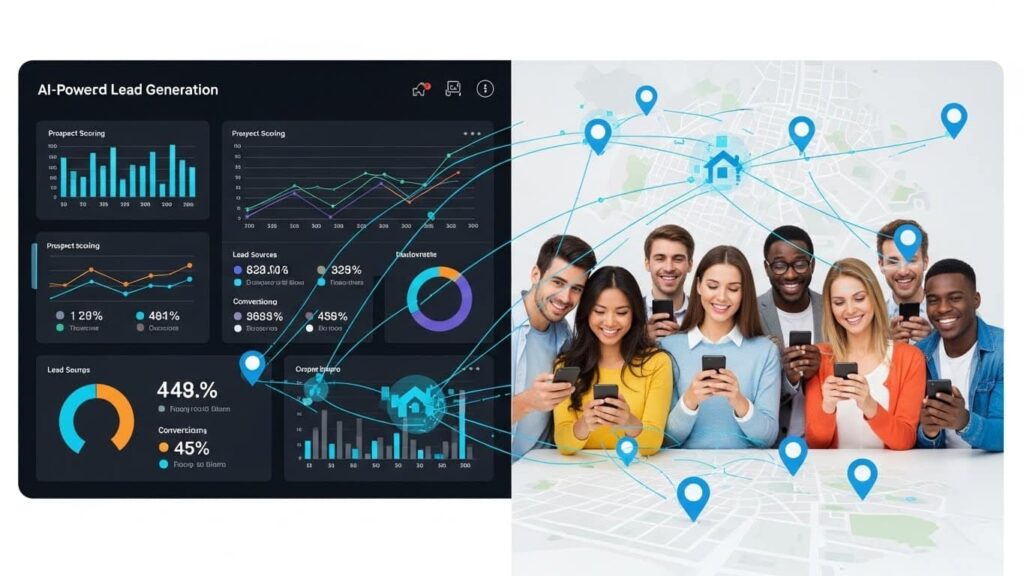
Lead generation technology has advanced to the point where agents can identify potential sellers before they even list their homes. Predictive analytics platforms analyze public records, demographic data, and online behavior to score homeowners based on their likelihood to sell within specific timeframes.
Offrs
It is a lesser known but highly effective platform that uses artificial intelligence to identify homeowners likely to sell in the next 12 months. The system analyzes over 200 data points including property characteristics, owner demographics, and local market conditions to generate seller leads with verified contact information. Agents who use this tool report conversion rates significantly higher than traditional cold calling methods.
Geofencing Technology
It allows agents to target potential clients based on their physical location. When someone enters a specific neighborhood or visits an open house, they can automatically receive targeted ads on their mobile devices. This hyper local approach ensures marketing dollars get spent on genuinely interested prospects rather than broad audiences.
Facebook and Instagram
These advertising platforms have become sophisticated enough to target very specific buyer personas. Agents can create custom audiences based on income levels, life events like recent marriages or job changes, and even specific interests related to home ownership. The key is using the platform’s detailed targeting options rather than boosting posts to generic audiences.
Chatbots On Agent Websites
They qualify leads 24/7 without requiring the agent to be available. Modern chatbots powered by natural language processing can answer detailed questions about listings, schedule showings, and collect contact information from serious prospects. Tools like Structurely specialize in real estate conversations and can handle complex inquiries that would have required human intervention just a few years ago.
What Tools Help Agents Close Deals Faster?
The period between contract acceptance and closing is where many deals fall apart. Technology helps agents manage this critical phase by keeping all parties informed and ensuring deadlines get met.
Digital Signatures and Remote Closing
Digital signature platforms have become standard in real estate transactions. The DocuSign tool allow contracts to be signed from anywhere at any time. When a buyer can review and sign documents from their phone during a lunch break, the entire process accelerates.
Video Conferencing Technology
Enables face to face interactions regardless of geographic location. Agents use Zoom and similar platforms to conduct listing presentations, show properties virtually, and even attend closings remotely.
Deadline Tracking and Communication
Automated systems monitor inspection, appraisal and financing deadlines. Communication hubs like Glide centralize discussions with clients, lenders and attorneys reducing misunderstandings.
Lockboxes and Showing Management
Systems like Supra and SentriLock not only secure properties but also provide valuable data about showing activity. Agents can see exactly when and how often their listings get shown, which helps them adjust pricing and marketing strategies in real time.
AI-Powered Sales Assistance
Tools like MagicBlocks actively engage leads, nurture prospects, and follow up across channels, helping sales teams increase conversions without manual intervention.
How Do Top Agents Use Data And Analytics?
Data driven decision making separates average agents from top performers. The most successful agents use analytics tools to understand market trends, price properties accurately, and identify the most effective marketing channels.
- CMA Software – Uses MLS and public data for accurate valuations. Tools like HouseCanary predict future property values, helping agents price listings competitively.
- Marketing Attribution – Connects CRMs to ads and analytics to see which campaigns generate actual closings, letting agents focus on what works.
- Heat Mapping – Tools like CrazyEgg show which photos and virtual tour elements attract attention, optimizing listing presentations.
- Local Market Dashboards – Track inventory, days on market, and price trends to advise clients on the best timing for listing or offers.
- Client Behavior Tracking – CRMs analyze patterns (e.g., multiple showings) to predict closing likelihood and prioritize high-potential leads.
What Emerging Technologies Are Changing Real Estate?
Artificial intelligence is beginning to automate routine tasks that previously consumed hours of agent time. AI powered systems can now write property descriptions, respond to basic inquiries, and even predict which listings a specific buyer will like based on their browsing history.
Ylopo – AI-Powered Lead Nurturing
Ylopo uses machine learning to manage multi-channel campaigns, analyze prospect interactions, and automatically adjust messaging. It identifies when a lead is ready for human contact and transfers them seamlessly to the agent at the optimal moment.
Blockchain – Secure and Transparent Transactions
Blockchain technology streamlines real estate deals by creating secure, transparent records of ownership and transaction history. Platforms like Propy reduce closing times, cut paperwork, and enable smart contract transactions across countries.
Drone Photography – Elevate Listings with Aerial Views
Drones provide aerial perspectives that traditional photos cannot capture, helping properties stand out. Advanced drones with thermal imaging can detect roof leaks, insulation issues, and other property concerns.
Augmented Reality – Visualize Homes Before Buying
AR apps like Homesnap allow buyers to see furniture placement and renovations in empty rooms using their phones. This technology enhances emotional connection to properties that may otherwise seem uninspiring.
Voice Search Optimization – Capture Smart Speaker Traffic
With more buyers using smart speakers to search for homes, optimizing content for voice queries like “homes for sale near me with pools” is essential. Voice search requires different SEO strategies than traditional text-based searches.

How Can Agents Integrate Technology Without Losing The Personal Touch?
The biggest concern many agents have about technology is that it might make their service feel impersonal or robotic. However, the most effective use of technology actually enables more personalized service by automating routine tasks and freeing up time for high value interactions.
- Video Messaging Tools: Platforms like BombBomb let agents send personalized videos at scale, combining email efficiency with the warmth of face-to-face communication.
- Enhancing, Not Replacing Human Judgment: Use automation for routine tasks like confirming showings while reserving personal attention for critical decisions and emotional moments.
- Client Portals: Provide transparency by letting clients track transaction status, review documents, and monitor progress, reducing anxiety and unnecessary calls.
- Social Media Management: Tools like Buffer schedule content in advance while allowing personal engagement with comments and messages, keeping interactions authentic.
- Invisible Technology: The best tech works behind the scenes, enabling faster, more accurate, and personalized service, showcasing agent expertise without feeling robotic.
FAQs
Do real estate agents really need expensive technology to be successful?
Success depends on using the right tools effectively, not spending big. Many platforms offer free or low-cost options with strong functionality. Start with one or two tools that solve your biggest pain points, master them, then gradually expand your tech stack.
How long does it take to see results from real estate technology investments?
Initial results usually appear within 30–90 days, depending on the tool and usage consistency. Lead generation platforms can show results in the first week, while CRMs and automation need time to populate and perform. Daily use and integration into workflows accelerates measurable outcomes.
Can technology replace the need for networking and relationship building?
Technology cannot replace authentic relationships but can scale relationship maintenance effectively. Automated messages, market updates, and alerts keep you connected with clients and contacts. Personal networking, conversations, and referrals remain essential, with tech amplifying rather than replacing them.
What happens if I invest in technology that becomes obsolete quickly?
Core platforms like CRMs, transaction management, and marketing automation remain stable with regular updates. Choosing tools with strong user bases and open APIs reduces obsolescence risk. Data export options ensure you can switch platforms without losing valuable client information.
How do I choose which technology to implement first?
Identify your biggest bottleneck—CRM for follow-ups, lead generation for few prospects, or transaction software for closing issues. Implement one tool fully over 30 days before moving to the next priority. Sequential adoption prevents overwhelm and ensures measurable results.







One Comment