AI chips news today focuses on how export rules, company decisions, and national strategies are shaping the future of artificial intelligence. This topic is not only about technology. It is also about power, security, and long term innovation. In this evergreen guide, we explain what is happening, why it matters, and how it affects the global AI race.
AI Chips News Today and Why It Matters Long Term
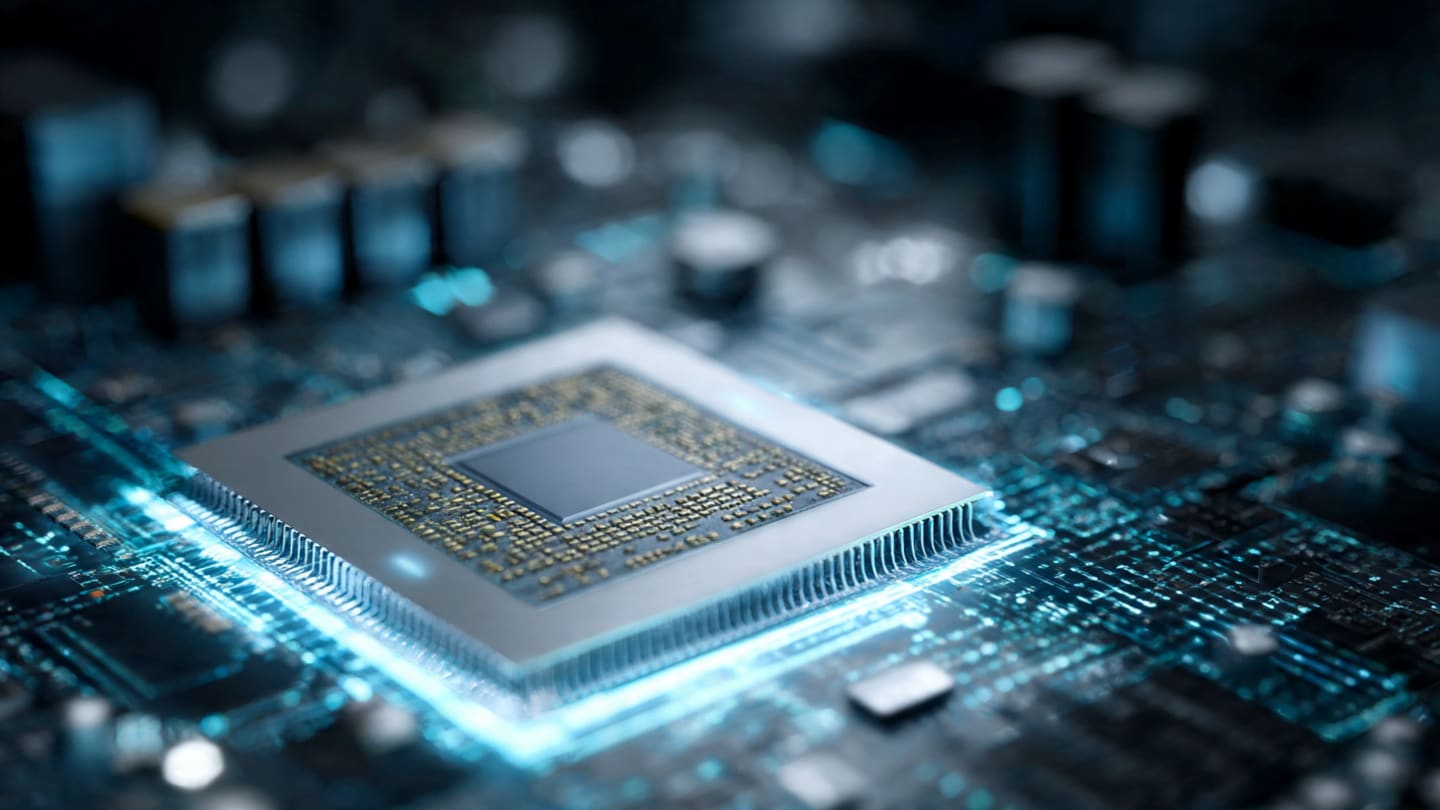
AI chips are the backbone of modern artificial intelligence systems. They power large language models, automation tools, and advanced research. Faster and more efficient chips allow companies to build smarter AI products. Governments also see AI chips as strategic assets. This is why ai chips news today remains relevant even months after policy changes.
US Export Rules for Nvidia AI Chips Explained
One of the biggest ai chips news updates is the change in United States export rules for Nvidia H200 chips. The US government has allowed limited exports to China under strict conditions. These rules include revenue sharing limits and usage restrictions. The goal is to protect national security while keeping American chip companies competitive in global markets.
This decision shows how difficult it is to balance business growth and security concerns. Export rules may change again in the future. That is why this topic continues to stay important for the AI industry.
Why the United States Changed Its AI Chip Policy
The export rule shift did not happen suddenly. One major reason is the rise of Chinese made AI chips. Companies like Huawei are developing advanced alternatives that could reduce dependence on American hardware. The US government wants to slow this shift while still allowing controlled trade.
Another factor is pressure from US chipmakers. Restricting exports completely can reduce revenue and innovation. Allowing limited exports helps companies like Nvidia stay strong while monitoring risks.
Some reports explain that the U.S. decision was influenced by Huawei’s new Ascend chips which could rival Nvidia’s hardware. Tom’s Hardware details that the White House aims to maintain American tech dominance while still allowing limited sales. Nvidia’s CEO also admitted that it is unclear if China will buy the chips even if exports are allowed.
How Chinese Companies Are Responding to AI Chip Restrictions
Chinese tech giants like ByteDance and Alibaba are actively preparing for changes in supply and are preparing to order H200 chips as soon as they are available. They want high performance AI chips to train models and run services. At the same time, uncertainty around imports has pushed companies to plan ahead.
Many Chinese firms are now buying chips early or investing in domestic alternatives. This behavior affects global supply chains and keeps demand high for advanced AI hardware.
China’s Domestic AI Chip Development Strategy
China is expanding its domestic AI chip ecosystem. The government is supporting local manufacturers and including domestic chips in official procurement programs. Companies like Huawei and Cambricon are improving performance with each generation.
While these chips still lag behind Nvidia in some areas, the gap is narrowing. Over time, China aims to reduce reliance on foreign technology and build a self sufficient AI hardware industry.
AI Chip Smuggling Risks and Nvidia’s Tracking Efforts
Another important ai chips news today topic is illegal chip smuggling. Reports suggest that restricted chips sometimes reach banned regions through unofficial channels. This creates serious security and legal concerns.
To address this, Nvidia is developing location verification technology. This system confirms where chips are being used without remote control. It helps reduce misuse and reassures governments about compliance.
Intel and the Growing Competition in AI Hardware
In the United States, Intel is acquiring SambaNova, an AI chip startup, to strengthen its AI accelerator lineup. The global AI chip market is becoming more competitive. Intel is expanding its AI hardware portfolio through acquisitions and internal development. The company wants to challenge Nvidia and meet rising demand for AI computing.
More competition can lead to better innovation and pricing. It also shows that AI chips are now a core focus for major technology companies worldwide.
Outlook for AI Chips and Global AI Power
AI chips news today is not just about current headlines. It reflects a long term shift in how countries and companies compete in artificial intelligence. Export rules, domestic development, and security concerns will continue to shape this market.
As AI adoption grows, demand for powerful and efficient chips will increase. Understanding these trends helps businesses, developers, and readers stay prepared for the future of AI technology.
FAQs
Why are AI chips important right now?
Ai chips allow fast training and operation of large AI systems. Without high-performance chips, modern AI cannot function effectively.
What is special about Nvidia H200 AI chip?
It is one of the most powerful AI accelerators currently available. Chinese companies like ByteDance want it for training large language models
Can China actually use these chips now?
Not fully. Even if exports are allowed, domestic policies will decide how and where the chips are deployed.
Are other companies involved?
Yes. AMD, Intel, and local startups are also positioning themselves to benefit from policy changes.
Will this change the AI chip market permanently?
It could shift global trade patterns and determine which countries and companies lead in AI innovation.